 ;
;
 ;
;
 ;
;
 ;
;
 ;
;
 ;
;


Entergy Mississippi
January 31, 2026
The site navigation utilizes arrow, enter, escape, and space bar key commands. Left and right arrows move across top level links and expand / close menus in sub levels. Up and Down arrows will open main level menus and toggle through sub tier links. Enter and space open menus and escape closes them as well. Tab will move on to the next part of the site rather than go through menu items.

An Historic Restoration Effort
February 1, 2026
3:45 p.m. ET
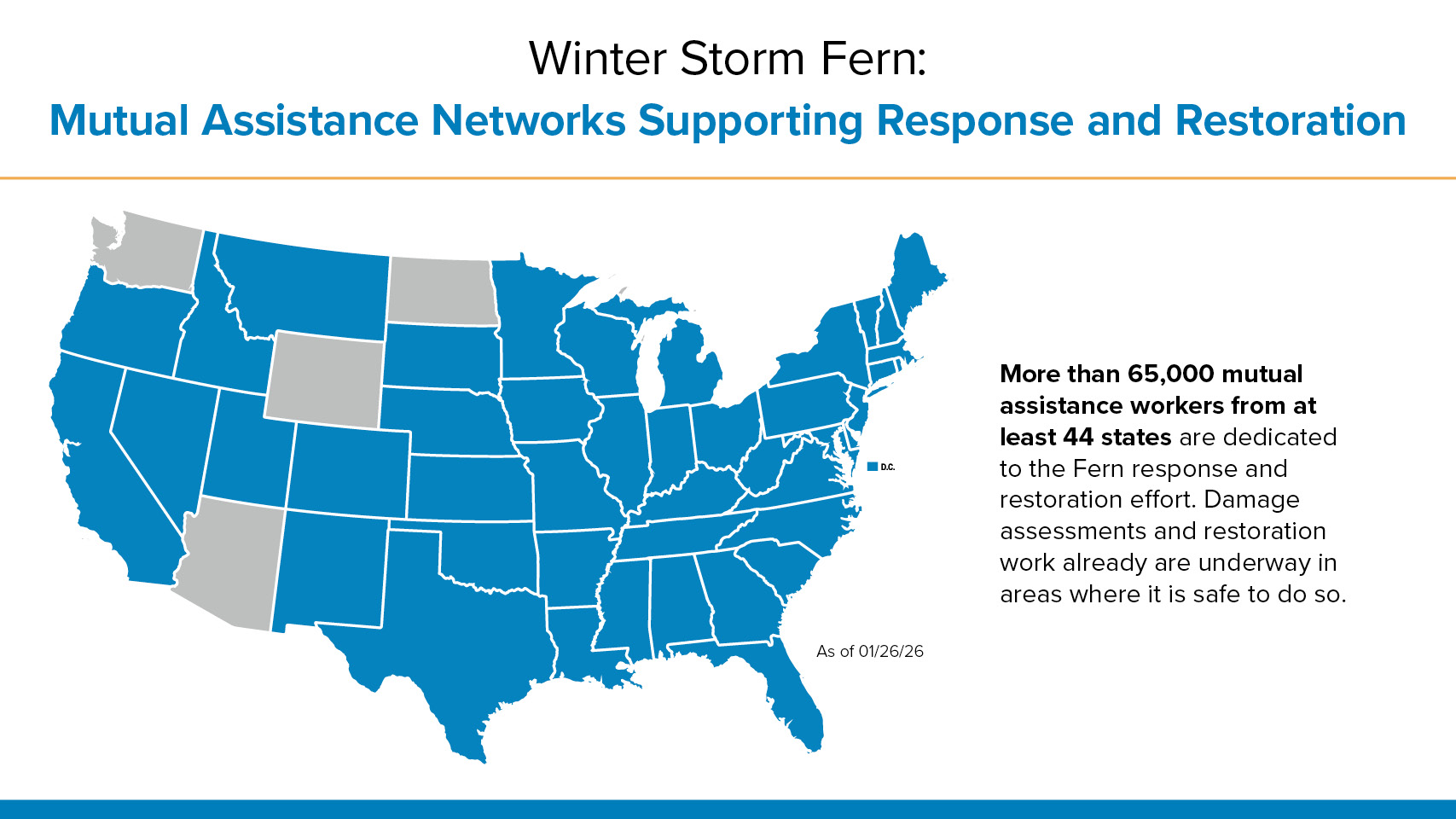
Winter Storm Fern brought historic ice accumulation, heavy snow, and freezing temperatures to much of the U.S. South and Mid-Atlantic, resulting in an historic mutual assistance restoration effort.
“Thanks to the extraordinary work of all the impacted companies and the tireless efforts of tens of thousands of mutual assistance workers from across the nation, tremendous restoration progress has been made following Winter Storm Fern,” said EEI President and CEO Drew Maloney. “Approximately 90 percent of impacted customers have had their power restored, and our crews continue to work around the clock to restore power to the remaining impacted customers who can safely receive it. We appreciate our government partners and industry collaborators for helping to enable this historic restoration effort.”
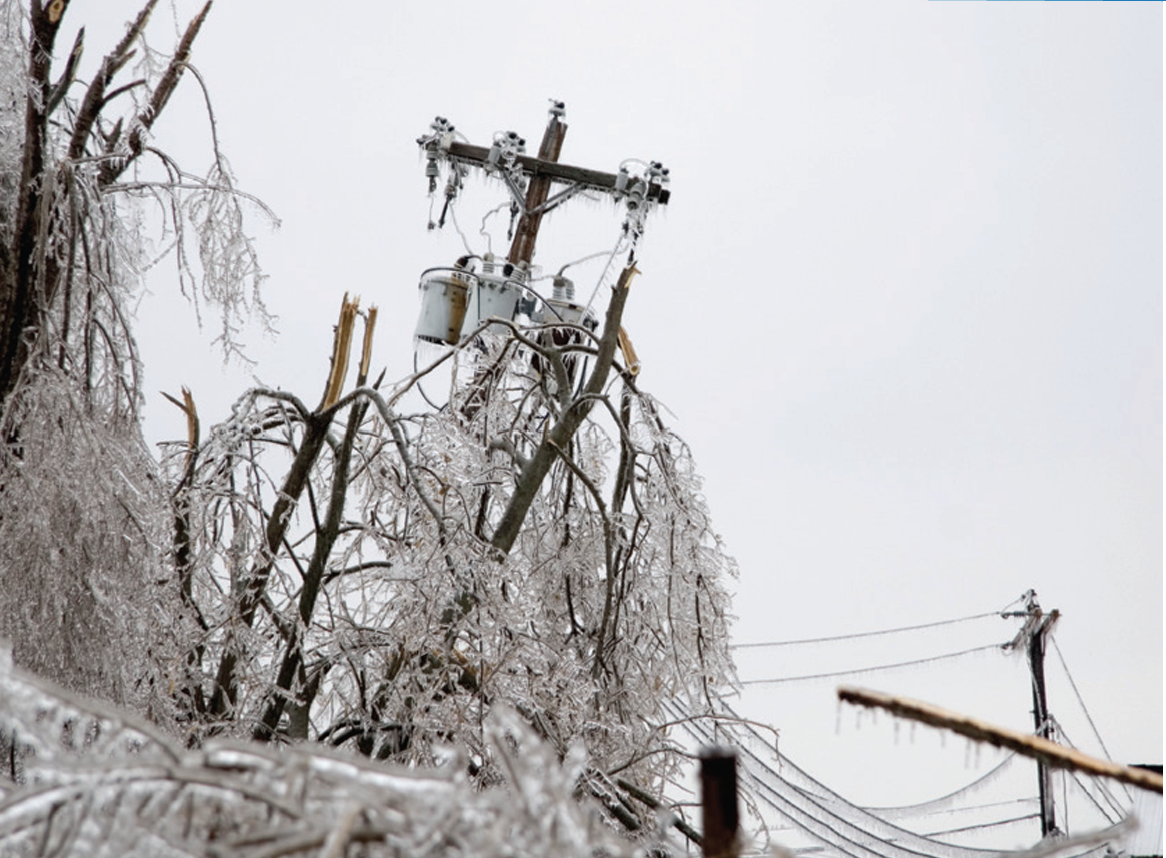
Workers continue to face dangerously cold temperatures, treacherous roads, and falling trees and branches, requiring significant safety precautions to be taken. In many cases, trees are falling in areas that already were restored, causing new outages.
Some customers may not be able to receive power to their homes because of damage. If fallen trees or heavy ice damaged the point where wires connect to a customer's home or business, inspections by a licensed electrician may be required before power can be restored.
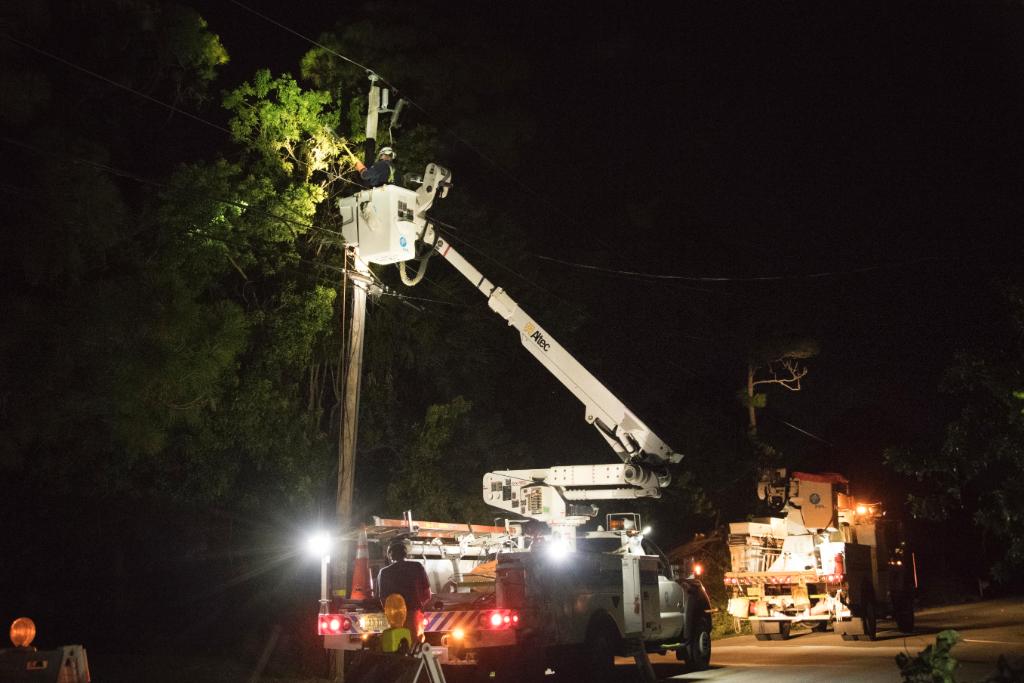
Every electric company has a detailed plan for restoring power after storms. Typically, one of the first steps is to make sure that power is no longer flowing through downed lines. Restoration then proceeds based on established priorities. Below are the steps to restore power after a storm. Learn More.





January 31, 2026
January 31, 2026
January 30, 2026
January 30, 2026
January 30, 2026
January 30, 2026
January 30, 2026
January 30, 2026
January 29, 2026
January 29, 2026
January 29, 2026
January 29, 2026
January 29, 2026
January 29, 2026
January 28, 2026
January 28, 2026
January 28, 2026
January 28, 2026
January 28, 2026
January 28, 2026
January 27, 2026
January 27, 2026
January 27, 2026
January 26, 2026
January 26, 2026
January 26, 2026
January 26, 2026
January 26, 2026
January 26, 2026
January 26, 2026
January 26, 2026
January 25, 2026
January 25, 2026
January 25, 2026
January 25, 2026
January 25, 2026
January 25, 2026
January 25, 2026
January 25, 2026
January 25, 2026
January 25, 2026
January 25, 2026
January 25, 2026
January 25, 2026
January 25, 2026
January 25, 2026
January 25, 2026
January 24, 2026
January 24, 2026
January 24, 2026
January 24, 2026
January 24, 2026
January 24, 2026
January 24, 2026
January 24, 2026
January 24, 2026
January 24, 2026
January 23, 2026
January 23, 2026
January 23, 2026
January 23, 2026
January 23, 2026
January 23, 2026
January 23, 2026
January 23, 2026
January 23, 2026
January 23, 2026
January 22, 2026
January 22, 2026
January 22, 2026